
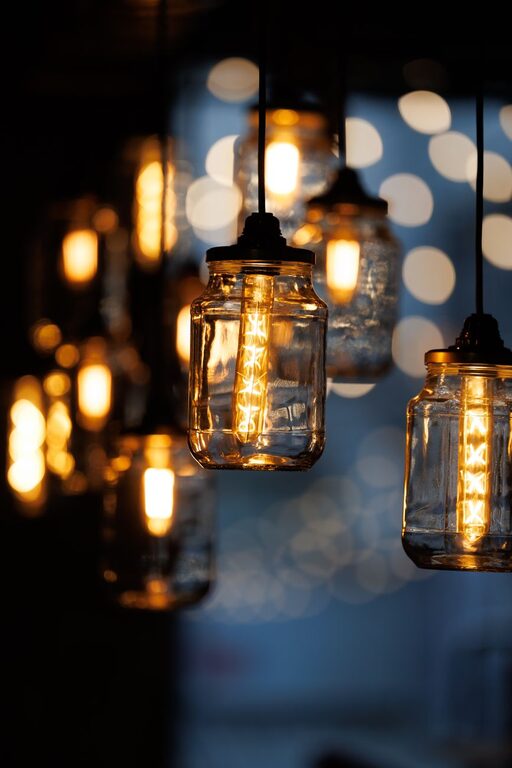
Creating comfortable home lighting is essential for making your living space inviting, functional, and relaxing. The right lighting can transform a room, boost your mood, and even support your daily routines. However, choosing the best lighting can be confusing with so many options available. This guide offers practical tips to help you select home lighting that feels just right.
Understanding the Basics of Comfortable Lighting
Before diving into specific tips, it’s helpful to understand some basic lighting concepts:
– Brightness: Measured in lumens, brightness determines how much light a bulb emits.
– Colour Temperature: Measured in Kelvins (K), this indicates the warmth or coolness of the light. Lower numbers (~2700K) mean warm, yellowish light, while higher numbers (~5000K) are cooler and more bluish.
– CRI (Colour Rendering Index): This measures how accurately light shows the true colours of objects compared to sunlight. A higher CRI (above 80) is usually better for home settings.
Knowing these terms helps you pick lighting that suits your needs.
1. Choose Warm or Neutral Colour Temperatures
For comfortable home lighting, warm (2700K–3000K) or neutral (3000K–4000K) tones are generally preferred. Warm lights create a cozy, relaxing atmosphere perfect for living rooms and bedrooms. Neutral lights offer a balance, ideal for kitchens or bathrooms where clear visibility is important but a harsh feel is not desired.
Avoid overly cool, blue-tinted lights in spaces where you want to unwind, as they can feel sterile or make a room less inviting.
2. Use Layered Lighting for Flexibility
Instead of relying on a single light source, use layered lighting to create different moods and functions:
– Ambient Lighting: The main source of light in a room, providing overall illumination.
– Task Lighting: Focused lighting for activities like reading, cooking, or working. Examples include desk lamps or under-cabinet kitchen lights.
– Accent Lighting: Highlights specific features such as artwork or plants, adding depth and interest.
Using a combination of these types allows you to adjust lighting based on your activity and preference.
3. Consider Dimmable Fixtures
Dimmers allow you to easily control the brightness level and adapt the lighting to different times of day or activities. Installing dimmable bulbs and compatible switches can enhance comfort and save energy. For example, you can have bright, clear light in the morning and softer, more relaxing light in the evening.
4. Pay Attention to Bulb Types and Energy Efficiency
Different bulb types affect both the quality of light and energy consumption:
– LED bulbs: Highly energy-efficient, long-lasting, and available in many colour temperatures.
– CFL bulbs: Use less energy than incandescent but take time to warm up and may contain mercury.
– Incandescent bulbs: Provide warm light but are less energy-efficient and have shorter lifespans.
Choosing LED bulbs with a high CRI and the right colour temperature offers the best balance of comfort and sustainability.
5. Position Lighting Thoughtfully
The placement of your lights influences comfort significantly:
– Avoid glare by positioning lights to shine away from eyes or reflective surfaces.
– Use lampshades or diffusers to soften harsh light.
– Consider natural light sources and supplement them with artificial lighting where needed.
For example, desk lamps should light your work area without casting shadows, and living room lights should illuminate seating zones evenly.
6. Match Lighting to Room Function
Different rooms benefit from different lighting approaches:
– Living rooms: Use warm, layered lighting to create inviting spaces for socializing or relaxing.
– Bedrooms: Soft, dimmable lights support rest and calm.
– Kitchens: Brighter, neutral lighting ensures clear visibility for cooking.
– Bathrooms: A combination of bright task lighting around mirrors and ambient light for the rest of the room works best.
By tailoring lighting to room use, you increase comfort and usability.
7. Use Smart Lighting for Convenience
Smart bulbs and lighting systems allow you to adjust brightness and colour temperature using apps or voice commands. This flexibility adds convenience and helps you create the perfect lighting scenes without needing multiple switches.
8. Don’t Forget Style and Decor
While comfort is key, the appearance of your lighting fixtures also matters. Choose fixtures that complement your décor style and space size. For example, sleek modern fixtures suit minimalist interiors, while ornate chandeliers work well in traditional rooms.
Summary: Practical Steps for Comfortable Home Lighting
– Opt for warm or neutral colour temperatures.
– Use layered lighting to balance ambiance, tasks, and accent.
– Install dimmers to control brightness easily.
– Choose energy-efficient LED bulbs with a high CRI.
– Place lights to avoid glare and shadows.
– Match lighting style and brightness to room function.
– Consider smart lighting for more control.
– Select fixtures that enhance your home’s style.
By following these tips, you can create comfortable, attractive lighting that supports your lifestyle and enhances your home environment. Remember that lighting is both functional and decorative, so experimenting with different setups will help you find what feels best. Happy lighting!